Still Life with Grapes, Jan De Heem, 1655-60.
Recipe: Bruschetta with Roasted Grapes, Ricotta, and Rosemary
For me one of the best gifts cooking offers is its insistence on being of the moment. Even if anxiety creeps in, it can only bring fear of something that might happen around ten minutes from now, a tray of burnt pine nuts for instance, not three years from now. At least not so far. Working in a kitchen calms me. And it sure beats ruminating over someday being sick, bald, scabby, and penniless.
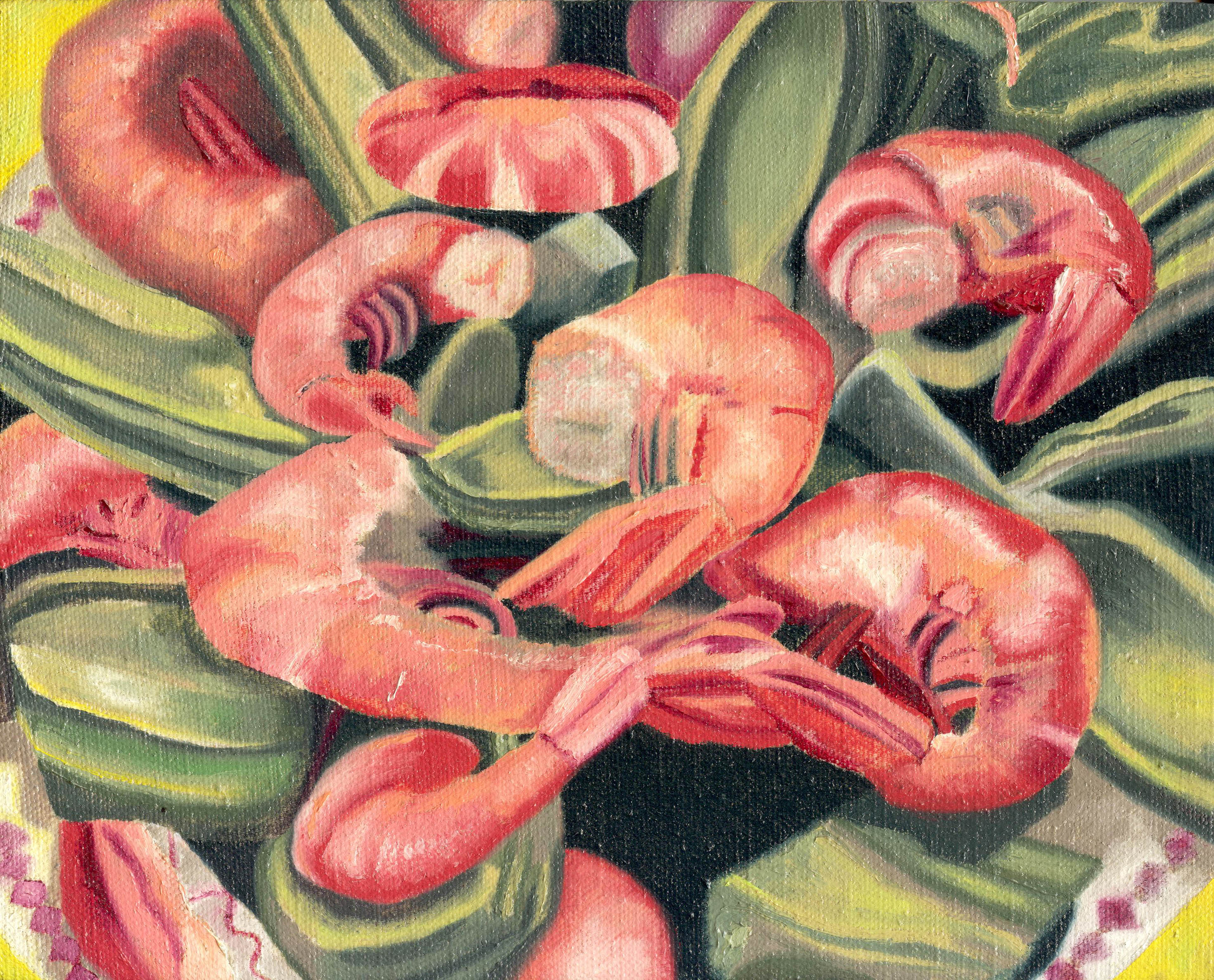
Cooking is such a peculiar craft. We produce something that’s here one minute, gone the next. I can take a photo of what I cook, I can write a recipe, but the photo is not food, the recipe is only a suggestion. The taste, aroma, and textures are over. I’ve always liked the idea of transient creativity. Working with olive oil, eggplant, and tomatoes seems much less tortured than dealing with oil paints, although the colors are just as brilliant.
And now it’s grape season in New York State. At the Union Square Greenmarket, bees hover around piles of sticky sweet Concords. I love those candy-tasting grapes, but I don’t find them all that interesting to cook with, unless I’m making a sorbetto. I always look for a variety called Niagara. They’re green, shiny, tart, a bit lemony, a bit herby, and much more complex-tasting than the one-note green grapes I find in supermarkets every single day of the year. These grapes taste like dry white wine. The bees don’t like Niagaras as much as other, sweeter New York varieties, but I do. They’re perfect with savory or semi-savory preparations, like pork sausages braised with grapes and bay leaves (a recipe you’ll find in my book The Flavors of Southern Italy), or this rosemary scented grape and ricotta bruschetta. It’s a warming but still light antipasto, a good thing to push me into the school year.
Now, I’ve just got to say that the Niagara grapes I used for this recipe have seeds. I’ve gotten used to the crunch of grape seeds in my mouth and I like swallowing them. Not everyone does. Please feel free to choose a seedless grape if you prefer.
 Niagara grapes at the Union Square Market.
Bruschetta with Roasted Grapes, Ricotta, and Rosemary
(Serves 4)
A big bunch of stemmed grapes, red or green, seedless or not, on the tart side (about 2 cups)
Salt
Black pepper
Extra-virgin olive oil
2 small sprigs rosemary, the leaves chopped
A handful of very fresh walnut halves, lightly toasted and roughly chopped
8 slices rustic whole grain bread
¾ cup whole milk ricotta
About 2 tablespoons wildflower honey (I used acacia, which is mild, but if you like a stronger flavor, go with it)
Preheat the oven to 425.
Spread the grapes out on a sheet pan (use two pans if the grapes get crowded). Season with a bit of salt and black pepper (just a touch), and scatter on the rosemary. Drizzle with olive oil, and give everything a good toss. Roast until the grapes start to burst and their juices bubble, about 15 minutes. Take the pan from the oven, sprinkle on the walnuts, and give it all another toss.
Toast the slices of bread on both sides. Spread them with ricotta. Spoon on the grapes, along with some of their juice. Drizzle with a thread of honey, and give each bruschetta a grinding of black pepper. Serve right away.
Niagara grapes at the Union Square Greenmarket.