
Recipe below, incorporated in text: Frittata di Pasqua with Ricotta, Soppressata, and Breadcrumbs
There was a time when eggs upset me like nothing else in the kitchen. I got over it by the time I was nine, but before then I thought there was something in the shell half dead or, worse, half alive, a blood spot, a pointy toenail surrounded by slime. I’d seen my father in traction after a shoulder injury, and I’d sprained an ankle, and my grandmother had migraines that set her face into a death mask, so I was familiar with pain. I wasn’t sure what was in that egg, but whatever it was, I didn’t want to hurt it. My grandfather sucked eggs raw, an Italian American hangover remedy, with a pin prick at each end. My father did this too. Raw egg was worse than cooked egg, but all egg was shiver-inducing. I was always happier with eggs around Easter, when we colored them, because then they were in disguise. I didn’t understand as I do now that even if hens never saw a rooster, they’d still lay eggs, lots of them, all blanks.
Now I find eggs not only useful but kind of miraculous, unfertilized goo put to great use by humans throughout the world. I can make mayonnaise, or a soufflé. I can carry a hardboiled egg around in my backpack, forget about it for three days, and then feel guilty having to throw it out. Eggs are a big part of my pagan Easter, symbolizing the rebirth of the earth, and they’re the backbone of many of my favorite Italian Easter dishes—pizza rustica studded with cheese and salame; pastiera, the sweet grain pie; agnello e piselli, a lamb stew with peas, thickened at the last minute with beaten egg; and the classic Southern Italian Easter frittata, often made on Holy Saturday to break the Lenten fast, since it usually contains chunks of soppressata or sausage. I’ll be making the frittata this year to start our Easter meal, cutting it into thin wedges and serving it with a glass of prosecco. A nice beginning.
When I cooked at Le Madri and we made frittate daily for the antipasti table, I was taught that the proper look for the things was thin, lightly browned, and somewhat oily on the surface, not thick and spongy the way most Americans make them. That’s how I still make them. For this one I used a 10-inch nonstick pan.
My recipe serves four as an Easter antipasto, or to end the fast on Holy Saturday, or for Easter breakfast, or for la pasquetta, the Monday after Easter picnic, in which case you might want to make two.

To make my frittata di Pasqua, break 4 large eggs into a bowl. Add about ¼ cup of whole milk ricotta, a very small minced garlic clove, a handful of well-chopped soppressata (use one that’s not too dry), about ¼ cup of lightly toasted breadcrumbs (I used panko, but homemade crumbs from stale bread are traditional, just make sure they’re not too finely ground), a handful of grated cheese (I had Montasio on hand, but Parmigiano or a mild pecorino would work well), chopped flat-leaf parsley, salt, black pepper, a touch of nutmeg, and a drizzle of olive oil. Stir everything around until it’s well mixed.
Set your pan over medium heat. Drizzle in some olive oil, and spread it out to coat the bottom. Add the egg mix, and let it sit undisturbed for a minute or so. Then start pulling the egg mix in from the edges with a heatproof rubber spatula, letting the uncooked egg flow underneath. Do this until it starts to look set but the top is still glossy and a bit liquid.
Stick the pan under a broiler for a minute or so to cook the top. It just needs to be set, not browned. Let the frittata sit for several minutes to continue firming up off-heat. Place a big flat plate over the pan, give it a flip, and turn the frittata out bottom side up. It should be tender but fairly firm and lightly browned. You can serve it warm or at room temperature.
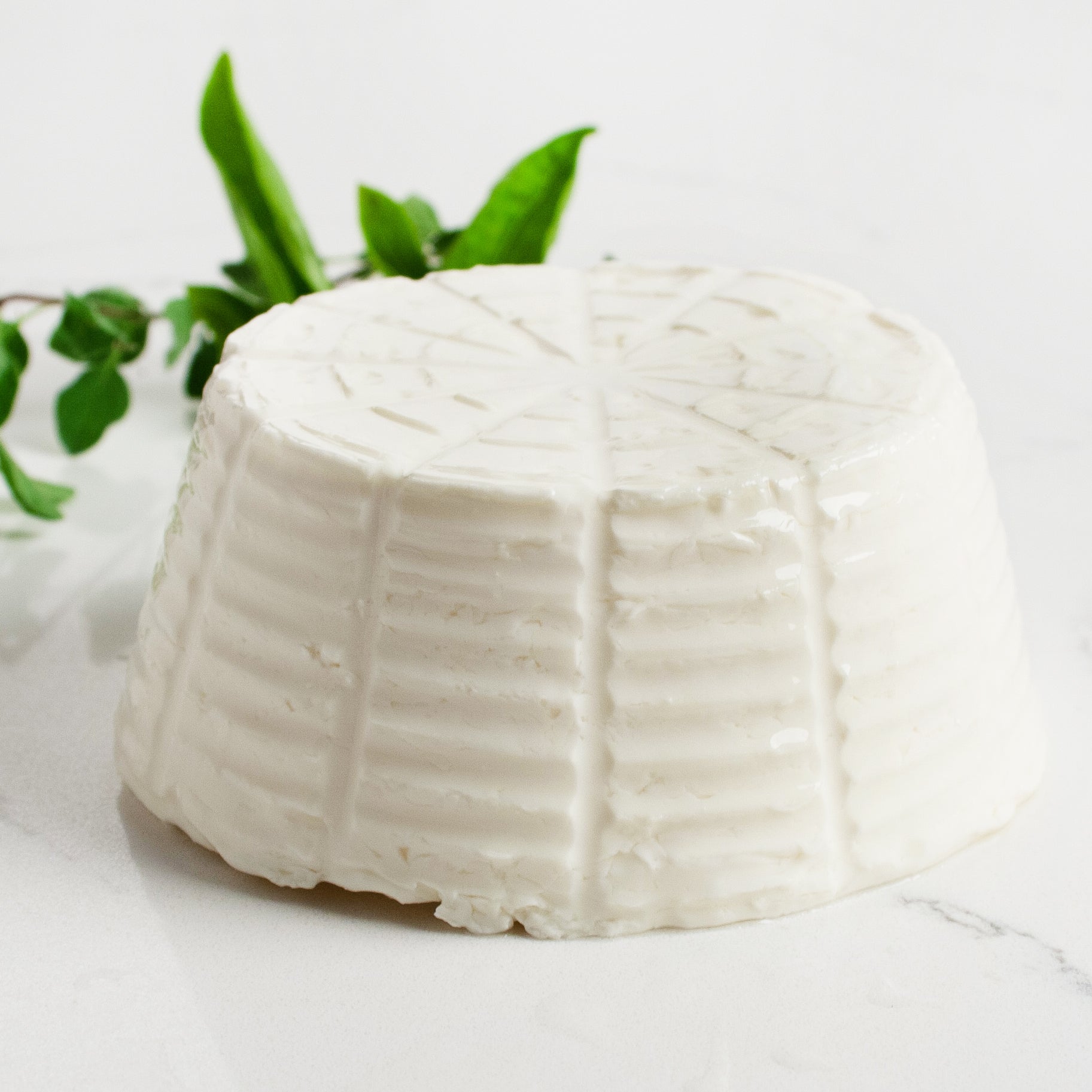
Anyone remember basket cheese? It always showed up on our Easter table. It’s ricotta drained into a basket mold, which was originally made from straw but now is more likely plastic, and which leaves basket-like indentations on the surface of the cheese. It’s denser than ricotta but has a similar gentle taste. Southern Italians use it to make pastiera or pizza rustica. You can use it in this frittata if you like, but I prefer straight ricotta, since it’s fluffier. My family used to serve basket cheese straight, just drizzled with good olive oil and salt and black pepper. It had the mouth feel of tofu, now that I think of it, but tasted much better. I don’t see it around much anymore. Alleva on Grand Street, now relocated to New Jersey, used to sell it, but only around Easter.


 Erica De Mane
How are you making your ‘basket cheese’? I have no access to whey left over from cheese production, to make true ricotta, but I make my own basket cheese from whole milk heated with cultured buttermilk and have a (plastic) mold that produces a pattern just like yours. I greatly prefer the resulting ‘cheese’ (which, strictly, I don’t think it is) to the factory-produced UHT stuff sold by every supermarket.
I also make the same cheese with lemon juice as coagulant and press it in a tofu press to make Indian-style paneer: and really, they are the same. Sometimes, I remember to salt the curds as they coagulate, but I usually forget …
Hi Clive, I make mine with whole milk and butter milk, sometimes adding a little heavy cream. Yes, not cheese, technically, but sweet and good. I used to use lemon juice, but I found it a little too sharp. Best to you, Erica
I must make this frittata never having had it before. I’ve always seen the “recipes” for ricotta made with lemon juice but I much prefer the idea of using buttermilk. I don’t think I’ve ever seen that? Can you let me know the proportions and method or where to find the information? Finding decent ricotta here is a challenge. Where old Italian shops used to bring it in for Saturdays, sell it by the pound, now an industrial cheese company has taken over all the small producers and the ricotta they make is not good.
Hi Eleanor, Here’s my ricotta recipe https://ericademane.com/2011/04/13/homemade-ricotta-for-easter/
This should work for you, I hope. It makes a good amount. Happy Easter. Erica
Thanks so much Erica! Happy Easter to you as well!