Feeds:
Posts
Comments

Archive for the ‘Uncategorized’ Category

CMYK workspace ISO 12647-v2

Still Life with Skate, by James Ensor.

Recipe below: Cornmeal-Crusted Skate with Brown Butter, Thyme, and Capers

The skate is a strange, undulating creature. It looks and moves almost exactly like a ray, but it belongs to a different family. It lays eggs, instead of carrying its unborn inside its body, as a ray does. Like a ray, it has cartilage instead of bones, so it can roll through the sea with grace. And, what’s stranger, I eat it. A lot of people do. It tastes like sweet sea scallops, and its texture is most appealing, being both bouncy and tender. That’s because it’s loaded with collagen. When cooked it pulls apart into long tender ropes. I like eating it that way, instead of cutting it into neat slices.

For me, skate is best sautéed in a hot pan until brown and crisp. Many recipes suggest poaching, which is okay, but then I miss the contrast between crisp and tender that you get from a good sauté. The easiest way to cook a skate wing is by coating it with flour, crumbs, or, as I’ve chosen here, cornmeal, and then slipping it into a large pan (skate wings are wide) with a hot, bubbling mix of olive oil and butter. When both sides are browned, it’s done.

I’ve cooked skate using various flavors. Here’s my recipe for it with a puttanesca-type sauce. I also love it pan-seared and draped over a bed of spiced-up greens, such as Swiss chard or escarole. This time, though, I’ve gone back to a bistro classic. Brown butter and capers make a perfect marriage of flavors for this fish, especially if you also include lemon juice, as I’ve done here. I first learned this dish while working at Restaurant Florent. Not only did I get taught how to actually cook it, I also had to skin and fillet all the huge skate wings that arrived at our sweaty little kitchen. Filleting is a matter of cutting and lifting the flesh from the flexible cartilage, its inner skeleton. Tricky, but definitely doable. Try it some time. It’s sort of fun.

26239686_10156078559561880_8314188571652942367_n

Cornmeal-Crusted Skate with Brown Butter, Thyme, and Capers

(Serves 2, which is easiest, since skate wings are so large)

2 large skate fillets (have the cartilage removed by your fish dame, or train yourself to do it by watching a YouTube video)
1 tablespoon Dijon mustard
2 teaspoons crème fraîche
Salt
Black pepper
About ½ cup fine-ground corn meal
Pimenton d’espelette
The leaves from a handful of thyme sprigs, plus a few whole sprigs for garnish
Extra-virgin olive oil
About 4 tablespoons unsalted butter
A handful of salt-packed capers, soaked and rinsed
The juice from 1 large lemon

Dry off the skate. In a small bowl, mix together the mustard and the crème fraîche.  Season the mix with salt and black pepper.

Pour the cornmeal out onto a dinner plate. Season it with salt, black pepper, pimento d’espelette, and the thyme leaves.

Using a pastry brush, brush the skate on both sides with the mustard mix. Then coat it with the cornmeal.

Get out a very large cast-iron skillet, or some other pan with a good heavy bottom. Pour in enough olive oil to cover the bottom by about ⅛ inch. Add a heaping tablespoon of butter. Get the pan really hot, and then slide in the skate fillets. Sauté until they’re browning at the edges, which should take about 3 minutes. Then lift one and take a look under to make sure it’s well-browned all over. If so, give the fillets a flip, and brown the other side, about 3 minutes longer. That should do it.

Place the crispy skate on two dinner plates. Sprinkle it with a little lemon juice.

In a small saucepan, melt about 2½ tablespoons of butter over medium high heat. Let it cook until it just starts to brown. Take the pan off the stove, and add the capers and a big drizzle of lemon juice. Pour it over the skate. Garnish with thyme sprigs. Serve right away.


Read Full Post »

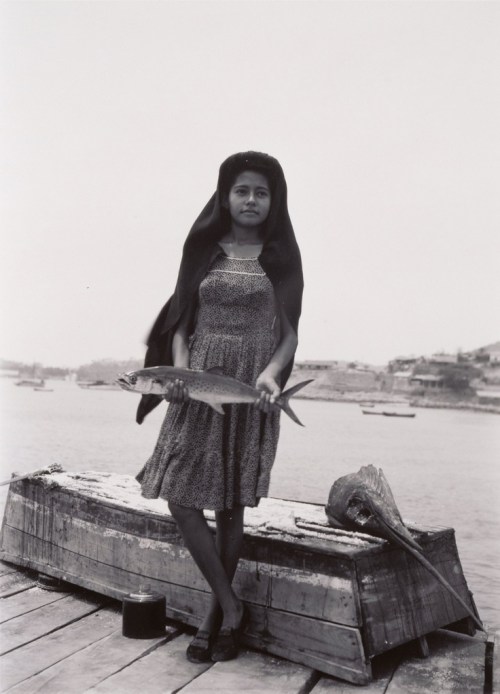
Women with Fish

1447935897964.jpeg

Formerly Known as Giant Squid

heavy, deep and dark.
louder, louder;
the twofold pounding
of clockwork respiration.

thud, (thud-thud)
goddess arms hang
into the abyss, like
dead weight.

depth obscures,
lesser life forms
meander on their own,
unaware of the wayward colossus.

/lonely/

a shroud of antiquity
suspended —
veiling the secret
of ages.

thud, [thud-thud]
percussive life
continues alone,
out of time.

evolving

longing

Read Full Post »

IMG_2462.JPG

Recipe below: Polenta Cake with Olive Oil and Orange Flower Water

Snow day bake-off. It’s a strong urge. Out my window snow whips by horizontally. I can barely see across the street. You don’t experience that lack of visibility often in Manhattan (for better or worse). At moments like this I wish I kept a full-stocked pantry, as I always hector my readers to do. Do what I say, not what I do. I really want to bake. I need to fill my kitchen with heat and old-world aromas. But going out shopping in this horror would break the spell. So what have I got here? A few oranges, lemons, eggs, some flour, a bag of bramata polenta—a medium grind—and lots of extracts and waters. Oh, great! I can make my polenta cake.

I say my polenta cake, but the truth is, this lovely creation didn’t start out as mine. It began life as Gina DePalma’s cake that she devised for the restaurant Babbo. The late, great DePalma excelled in desserts with rustic aromas and mouth feel, the kind I love best. I once told her that her polenta cake was my favorite recipe of hers but that over the years I’d altered it, steering it toward a more Southern Italian spirit. “That’s good,” she said. “Keep it lively.” Talent and charm in one woman. Nice.

So, Gina, in pastry chef heaven, here’s my tribute to your wonderful cake. Maybe there’s a light dusting of snow where you are, or more likely, of powdered sugar.

You’ll want a 9-inch springform pan for this.

Polenta Cake with Olive Oil and Orange Flower Water

(Serves 8)

1 tablespoon softened butter
1 1/4 cups all-purpose flour
1 cup fast-cooking medium ground polenta
2 teaspoons baking powder
A big pinch of salt
¼ teaspoon grated nutmeg
1 cup sugar
4 extra large eggs
The grated zest from 2 large oranges
The grated zest from 1 large lemon
½ teaspoon orange flower water
1 teaspoon vanilla extract
¾ cup fruity extra-virgin olive oil
Powdered sugar

Preheat the oven to 350 degrees

Grease the springform pan with the softened butter.

In a medium bowl, mix together the flour, polenta, baking powder, salt, and nutmeg.

Place the sugar and eggs in a electric mixer, and beat until they’re fluffy and pale yellow.

Put the olive oil in a small bowl, and add the orange and lemon zests, the vanilla, and the orange flower water.

Add about half the flour to the mixer, blending it in. Add half the olive oil mixture, blending it in, too. Add the rest of the flour and then the remaining olive oil. Mix it all briefly, just until incorporated.

Pour the resulting batter into the pan.

Bake for about 30 minutes, or until the top is lightly browned and springy to the touch. Let it cool, and dust the top with confectioner’s sugar.

I like this served plain, maybe with a glass of Fiano di Avellino. Once when I served it for  a party I  was catering, I accompanied it with sweetened whipped ricotta and strawberries. That was very nice, too.

Read Full Post »

9.jpg

Still Life with Shrimp, by Luciano Freire (1864-1935).

Recipe below: Zuppa di Pesce with Friselle

Having my mother die a month before Christmas is proving to be, as expected, a strange ride. I’m running trance-like, with no objective other than doing what’s needed—the paperwork, the phone calls, the sorting through. The rest is just a tugging sickness.

Theoretically I should feel a certain freedom. My mother had been ill for so long. But at the moment it all feels like a string of sad chores. Yet I do want to cook a traditional Christmas Eve dinner in her honor. I hope I can get it together. Cooking has always been my solace, my escape, and also a path to much fun. Maybe it’s a little early to find fun in any of this, but I’m thinking I can count on some physical and emotional restoration. Going through old photos has been, thankfully, easier than I’d have imagined. They bring back to mind what a great life she had.

Trying to push the ghost away, I find myself reflecting on all the different fish dishes my mother made on Christmas Eve, my absolute favorite holiday. She didn’t cook a ton of stuff, usually just three things, but she made it in abundance, just in case any neighborhood strays walked through the door.

The Christmas Eve dish I loved the best was her zuppa di pesce. She used only shellfish, always clams and mussels and sometimes large shrimp in their shells. The big treat was when she threw in a lobster, which looked amazing cracked up in that big white  bowl, with its orangey pink shell glistening wet in the winey sauce. The sauce was the thing, a mingling of garlic, white wine, a hint of tomato, and all the juices the shellfish threw off. That beautiful creation, giving off its sweet ocean steam, she always served with friselle.

Friselle showed up at our house only several times a year. Their place in our lives was prescribed, making them special. Christmas Eve was one of those times. They were mandatory with zuppa di pesce. Friselle are fat little savory biscotti, Neapolitan in origin, made with lard and seasoned with lots of cracked black pepper. They’re extremely hard, and when you bite into one you get this great oily, porky, crumbly, peppery taste that leaves a slick on the roof of your mouth. But they’re not supposed to be eaten undunked. You need to soften them in fish broth, getting them soaked and dense. That flavor combo is sensational (they’re also great soaked in wine). And just to get this straight, these are not the flat, round bagel-like toasts with the holes in the middle that go by the same name. These things look like bloated logs.

We never made friselle. We bought them, either at Razzano’s, our local Italian shop, in Glen Cove, or at Alleva, on Grand Street in the city. My several attempts at making them have not been a complete success. I have researched recipes on Italian websites, but the results have been weird, sort of scone-like, not hard enough, not greasy enough, not shattery enough. That has been frustrating.  And since I’ve been looking for the taste of my childhood, I’ve decided to forget it and just go back to Alleva and pick up a package. Or maybe, if I have the time, head up to Arthur Avenue, where several bakeries still make excellent friselle.

I styled my zuppa di pesce along the lines of my mother’s, but you’ll notice a few decidedly nontraditional additions, such as vanilla and nutmeg. Those sweet spices mellow the acidity of the wine and tomatoes that make up the body of the sauce, giving it a lusher flavor. So this is my slightly evolved but nonetheless true to spirit Christmas Eve zuppa. I think Mo would approve. I wish she could be at the table with us.

Merry Christmas to all my cooking friends.

TerranovaPepperFriselle

Zuppa di Pesce with Friselle

(Serves 4)

Extra-virgin olive oil
1 tablespoon unsalted butter
2 medium shallots, cut into small dice
1 carrot, peeled and cut into small dice
1 tender inner celery stalk, cut into small dice, plus a handful of celery leaves, lightly chopped
2 garlic cloves, thinly sliced
½ teaspoon freshly ground nutmeg
¼ of a vanilla bean, slit all the way down
10 large thyme sprigs, the leaves lightly chopped
Salt
Black pepper
A small glass of dry vermouth
1 cup light fish broth or chicken broth
1 35-ounce can plum tomatoes, drained and chopped
1 pound small manila clams
1 pound small mussels, well washed
8 medium-size head-on prawns, with their shells (or use large headless shrimp with the shells intact)
A handful of flat-leaf parsley, the leaves lightly chopped
Plus, 8 friselle

Get out a big, wide casserole-type pot, and put it over a medium flame. Add a big drizzle of olive oil and the butter. Add the shallots, carrot, and celery with its leaves, and sauté until fragrant. Add the garlic, nutmeg, vanilla bean, and the thyme, and continue sautéing until the vegetables are soft, about 5 minutes. Season with a little salt and black pepper.

Add the vermouth, and let it bubble for a few minutes. Add the fish or chicken broth and the tomatoes, and bring to a boil. Turn the heat down a bit, and let simmer, uncovered, at a low bubble for about 5 minutes.

When you’re ready to serve the dish, add the clams, giving them a good stir, and cook until some of them have opened (clams take longer than mussels and shrimp, so you’ll want to add them first). Then add the shrimp and the mussels, and cook until the mussels are open and the shrimp are just tender, about another 4 minutes or so. Turn off the heat. Season with a little more salt and black pepper. Give it all a drizzle of fresh olive oil, and taste for seasoning. Add the parsley, and take it to the table.

Ladle the zuppa into wide soup bowls, adding two friselle to each serving.

Read Full Post »

bottarga-3

Recipe below: Fennel and Orange Salad With Bottarga and Mint

I am more a voracious cook than a voracious eater. I do love to eat, and I will eat just about anything, but it’s the sweat, mental fatigue, and sensual overload of the kitchen than really turns me on. I dream about cooking, not about eating. I’m convinced that when I was a teenager I staved off a nervous breakdown by baking focaccia nonstop for a year. I think my physical need to cook comes from that.

Some cooks like to take a break after Thanksgiving. Not me. I’ve sharpened all my knives and feel a strong need to chop. And I’m eager to get the memory of all that mushy beige food behind me. My palate needs a refresher, and oranges are on my mind. Isn’t it amazing that Mother Earth gives us citrus just when we need it most?

I love peeling and slicing oranges. The pits pose an interesting challenge, and the aroma floods my workspace. And I’m crazy about the way Sicilians get oranges into savory dishes. I’ve had orange salads with salty bits of fish in various parts of Sicily. They’ll toss anchovies or sardines or herring or bottarga with orange. It sounds strange until you’ve tasted it. Then the seemingly disparate flavors merge, under a slick of the island’s almond-scented olive oil. I crave those combos, especially after a spell of heavy, relatively bland food. Thanksgiving, away!

I composed this orange and salty fish salad from elements of ones I’ve had in the past. Bottarga, not my usual anchovy, called out to me, a bit of a splurge but I hadn’t tasted it in a while. It’s not hard to find in Manhattan. What is? And in case you’re not sure what I’m talking about, bottarga is salted and cured fish roe. Sardinia’s bottarga di muggine is made with grey mullet. In Sicily, they use bluefin tuna (overfished, for sure). That version is definitely funkier, and to my palate it can taste bitter. I like them both, but when I have a choice I go for the Sardinian. Its flavor is essence of Oceana. Whole bottarga looks like a slick orange-colored tongue. And it’s usually covered with wax, which you’ll want to peel off, which is kind of fun. Then you just shave, slice, or grate what you need and pack the rest in the fridge. Please don’t be tempted by the powdered bottarga they sell in cellophane packs. It’s a little cheaper, but it’s a waste of money. It tastes like stinky fish.

I’ve tasted versions of this salad that also included capers (another salty Sicilian specialty), red onion, fennel (which I use here), celery, basil, fresh chilies, fresh mentuccia (a kind of wild mint), and olives.

If you can’t locate a piece of bottarga, just chop a few good-quality salt-packed anchovies (soaked first, of course), and scatter them over the top. It’s all delicious.

Fennel  and Orange Salad with Bottarga and Mint

(Serves 4)

2 large fennel bulbs, cored and thinly sliced
5 oranges (blood varieties will look especially pretty), peeled and sliced into thin rounds
1 red scallion, thinly sliced, including the tender green part
A big pinch of fennel pollen
A small chunk of bottarga
1 tablespoon rice wine vinegar
3 tablespoons extra-virgin olive oil
Salt
Black pepper
About a dozen mint leaves, cut into chiffonade

Choose a large serving platter that will hold everything without too much crowding. Lay out the fennel slices out on the platter, and arrange the orange slices on top, in a slightly overlapping circular pattern. Scatter on the scallions. Sprinkle with the fennel pollen

With a sharp vegetable peeler, scrape about 10 big shavings of bottarga over the top of the salad. Or you can slice the bottarga thinly with a knife, or just grate it with the large-hole part of a cheese grater. You don’t want to suffocate the thing with bottarga. A delicate touch is called for. Remember that the stuff is intense.

Whisk the rice wine vinegar with the olive oil, and season it with a little salt and more generously with black pepper. Drizzle it over the salad.

Garnish with the mint leaves. Serve right away.

Read Full Post »

still-life-with-pears-1.jpg

Still Life with Pears, by Vincent Van Gogh.

Recipe below: Pears Poached with Star Anise, Vanilla, and Rosé Wine

Due to forces beyond my control, I’m not cooking Thanksgiving dinner this year. I’ll miss my cramped kitchen, with its steamed-up windows and aroma of bitter sage, with its five pots bubbling, four dishes crammed in the oven, and me sweating with happy agitation as I sip a glass of Beaujolais Nouveau (yes, I actually like that stuff). I’m solitary, and if I’m truly in a groove, I’m meditating while I move.

But that’s not happening. Instead, I’m sitting here dreaming about my ideal Italo-Americano Thanksgiving. I know the flavors I’ll want. They start with roasted chestnuts. Then I’ll bring out Ascoli Piceno olives seasoned with rosemary, and celery stalks filled with gorgonzola. At that point, prosecco will seem like a good idea, and maybe a little Gotan Project tango music.

Then we’ll move to the big table for braised radicchio with anchovies and parmigiana, broccoli rabe with garlic and hot chilies, celery root gratin with sage, a loaf of homemade semolina bread, Puglian style, a big platter of crispy, thyme-scented turkey skin—only the skin—with Marsala pan gravy, and lumpy cranberry sauce made with Aperol and orange zest. I’ll open a few bottles of Tuscan Sangiovese, which is perfect with crisp turkey skin. That should fill up the table nicely. Oh, damn, I seem to have forgotten the stuffing. Maybe because I don’t want any. Instead of stuffing we’ll have Callas singing Tosca.

Then there will be a little pause before I offer everyone chilled raw fennel, the palate cleanser of my Southern Italian childhood.

To finish, we’ll move back to my coffee table area and huddle together for one of my favorite desserts, poached pears with rosé wine, star anise, and vanilla. And no Thanksgiving would be complete without walnuts and nutcrackers. Messy but delicious. They do make your teeth feel oddly dry, but that’s easily remedied with a few sips of grappa.

Still, as I say, I won’t be cooking Thanksgiving dinner this year. Yet I can taste all the flavors in my head, feel the humidity trapped in my kitchen. It’s all there. Maybe I’ll open that bottle of Beaujolais Nouveau now.

Happy Thanksgiving to all my cooking friends. Here’s my recipe for the pears.

Pears Poached with Star Anise, Vanilla, and Rosé Wine

(Serves 6)

6 firm pears (I used Red Anjou, but any type that’s not mushy is fine), peeled but with the stems left on
1 bottle dry rosé wine
1 cup sugar
1 vanilla bean, split all the way down
4 whole star anise
1 tub crème fraîche

Place the pears in a wide braising pot, one that will hold them all in one layer. Pour on the wine. Add the sugar, vanilla bean, and star anise. Add water, if needed, to cover the pears.

Heat over a high flame until the wine boils. Then turn the heat down to medium low, and cook at a low bubble, partially covered, until the pears are just tender when poked with a skewer. Depending on how hard your pears are, this will take anywhere from 15 minutes to about 35 minutes. Just test them a few times.

When they’re done,  lift them from their liquid, and sit them, stems up, on a serving platter.

Then reduce the liquid over high heat until you have about a cup of lightly thickened syrup. Let it cool so it can thicken more.

When you’re ready to serve, place each pear on a small, slope-sided dessert plate, and pour an ample amount of syrup over it. Spoon a little dollop of crème fraîche onto the side of each plate (or leave it off if you prefer).

Read Full Post »

Torta di Funghi

IMG_0161-763x500

Still Life with Mushrooms, by Sam Dalby.

Recipe below: Torta di Funghi

I don’t cook with mushrooms as much as I should. The inspiration is not strong, the way it is with, say, eggplants. I’m not sure why. Maybe it’s their beigeness. Maybe it’s that I don’t live in Italy or France, where seasonal mushrooms are foraged and are displayed like riches in fancy shops. Maybe it’s because I’ve become violently ill half a dozen times from eating fresh porcini. I guess that’s it.

In any case, since the weather went cool I’ve been thinking about the aroma of mushrooms. They do smell good when sautéed in garlic and olive oil. It had been a while since I had enjoyed that earthy aroma, so I bought what I could find at Citarella, avoiding the slightly dried-out porcini for reasons of self preservation and grabbing instead a mix of cultivated types—white buttons, shiitake, cremini, a few oysters.  I returned home, dumped them out onto my kitchen counter, and stared them down for half an hour.  Now what? Tossed with fettuccine? That’s what I always do with mushrooms. Maybe something more enclosed, cozier. How about a torta? Buon’ idea. A torta di funghi. That’s about as enclosed as a mushroom can get.

My usual way with a mushroom torta is to include anchovies. So delicious. But for some absurd reason I didn’t have any. How could I have let that happen? A disgrace to my Southern Italian race. Once I got over my shame, I moved on and improvised, deciding on a more mellow approach. I had a firm wedge of Montasio that was begging for a grating. I had a few eggs. I also had an on-the-verge tub of crème fraîche stuffed behind the cocktail olives. And I had friends coming for dinner the next night. Inspiration enough right there. Friends, mushrooms, cool night, cramped apartment, candle light. Perfetto.

I forgot how good boring mushrooms can be. I just sautéed them in olive oil and my last-of-the-season rocambole garlic and added a chop of fresh marjoram at the end. The resulting flavor was surprisingly intense. I loaded it all into my favorite olive oil–and–vino torta crust and hoped for the best. But then I could tell it was going to be good from the aroma that filled my kitchen as it baked. Nice. A new family favorite was born.

I’m thinking it may make an excellent antipasto for Thanksgiving.

IMG_2371

Torta di Funghi

I used an 8-inch tart pan with smooth sides and a removable bottom. I really like the way a non-fluted crust looks on this rustic tart. It’s strange how hard these pans are to find in American bakeware shops (I bought a few the last time I was in France). You can get the same effect by using a tart ring on a sheet pan.

For the crust:

2 cups flour
1 teaspoon salt
¼ cup extra-virgin olive oil
½ cup dry vermouth

For the filling:

Extra-virgin olive oil
1½ pounds mushrooms, a mix of any you like, thinly sliced
2 garlic cloves, thinly sliced
A splash of dry vermouth
4 large sprigs of fresh marjoram
¼ teaspoon ground nutmeg
Salt
Freshly ground black pepper
2 large eggs
1 heaping tablespoon crème fraîche
⅓ cup grated Montasio or grana Padano cheese

To make the crust, put the flour and salt in a big bowl, and give it a stir. Pour in the vermouth and olive oil, and mix with a wooden spoon until you have a moist, crumbly mass. Now press it together with your hands so it forms a ragged ball. Turn the dough out onto a work surface, and give it a couple of quick kneads, just until it comes together in a relatively smooth ball. Wrap it in plastic, and let it rest, unrefrigerated, for about an hour.

In a large sauté pan, heat a few tablespoons of olive oil over medium-high flame. Add the mushrooms, and sauté them until about halfway cooked. Add the garlic, and continue cooking until the mushrooms are tender and collapsed. Add a splash of vermouth, and let it boil away. Turn off the heat, add the marjoram and nutmeg, and season with salt and black pepper. Let cool for about 20 minutes.

Preheat the oven to 400 degrees.

Whisk the eggs with the crème fraîche, and pour it over the mushrooms, stirring it in. Add the cheese, and give it another stir.

Lightly oil your tart pan. Roll out the dough (you don’t need to flour the surface you roll it on; the oil in the dough will keep it from sticking) into a thin round a few inches wider than your pan. Drape the dough into the pan, pressing it into the sides.

Pour the mushroom mix into the pan, smoothing down the top. Give it a drizzle of fresh olive oil, and grind a little extra black pepper over the top.

Trim the dough, leaving the rim a bit built up over the edge of the pan to allow for shrinkage. You can crimp it, if you like, for a pretty edge.

Bake until the center is just set and the crust is golden, about 30 to 35 minutes. Let cool about ½ hour before slicing.

I’ve found this particular torta especially good with a glass of prosecco.


Read Full Post »

52c5c54571146f0ba3887ff7364c1cae--roberto-rossellini-italian-style

Recipe below: Orecchiette with Swordfish, Black Olives, Orange, and Arugula

Anna Magnani, my favorite Italian film star, loved to invite her famous friends over to her place in Rome and cook pasta for them late at night. One night the film director Roberto Rossellini arrived wearing one of his signature white linen suits. They were in the middle of a rocky romance at the time, and not long after he made himself comfortable in the high-ceilinged, cat-filled apartment, he received a note from Ingrid Bergman, who was about to replace Magnani as the love of his life. Magnani watched him read the note and grew distraught. While tossing a big bowl of pasta, she asked him, “Is this the way you like it, Roberto?” “Yes it’s fine,” he replied. “Would you like a little more peperoncino?” she asked. “It’s perfect,” he said. “Then here it is,” roared Magnani, and she dumped the pasta and tomato sauce all over his expensive linen suit. Never a dull moment with my girl Anna. I would love to have been at that pasta party.

Cooking late-night pasta has a history for me, too, with groups both agitated and amiable (as Anna knew, you really can’t predict how a party is gonna go down). It started during my club-hopping period in the seventies and eighties.  One particular evening I headed downtown to the Mudd Club with a group from Barnes & Noble, where I was working part-time while attending, although not too attentively, New York University. It was a sweaty, intense night, like always at the Mudd Club. I and what was left of this bunch returned to my apartment at 4 a.m. or so, everyone starving,  exhausted,  but still keyed up (that’s what hours of loud punk and colliding bodies would do to you). A few bottles of crappy wine were opened. I dumped two pounds of penne into boiling water, and when it was a little too al dente, as it turned out, I tossed it into a big bowl, along with two sticks of butter and lots of pre-grated ‘grana Padano’ (it said it was grana Padano, but who could be sure?). I don’t think I even added black pepper. It was one of the most delicious pasta dishes we had ever eaten (at that early point in our lives). We talked about it for years. And, interestingly I never duplicated it to the same level of perfection, even after I started buying real grana Padano.  One truth about cooking: There’s always something about time and place that makes each meal unique. That’s for certain.

I continued trying my damnedest to pull together memorable late-night dinners. The results varied, but soon I had a fairly reliable group of pastas that we all looked forward to early in the a.m., wherever we wound up—spaghetti aglio olio, spaghetti with anchovies, pasta alla carbonara, penne alla vodka, ziti with mushrooms and cream, fettuccine with prosciutto and frozen peas. As I grew confident, these dishes became more creative. We all started chipping in for fancier ingredients, like  bresaola and salmon caviar.

Here’s a 15-minute pasta I like to think Anna could have made for her late-night friends  (although I don’t think her ex-boyfriend was worthy of it). It’s quick but lusty. Good with a bottle of prosecco. I just cooked it up for a late dinner for my husband and me, so it’s a recipe for two, but you can easily double it.

IMG_5712 2

Orecchiette with Swordfish, Black Olives, Orange, and Arugula

(Serves 2)

About ½ pound inch-thick swordfish, skinned and cut into ½-inch cubes
½ teaspoon fennel pollen
Salt
1 teaspoon sugar
Aleppo pepper to taste
½ pound orecchiette pasta
Extra-virgin olive oil
1 pint grape tomatoes
2 fresh garlic cloves, very thinly sliced
3 oil-packed anchovies, roughly chopped
The grated zest from 1 large orange
A handful of black olives, pitted and cut in half
A generous splash of dry white wine
A handful of baby arugula, well stemmed and lightly chopped

Put the tuna cubes in a bowl, and toss them with the fennel pollen, a little salt, some Aleppo, and the sugar.

Set up a pot of pasta cooking water, and bring it to a boil. Add salt, and drop in the orecchiette.

In a medium skillet, heat about 2 tablespoons of olive oil over high heat. When the skillet is very hot, add the grape tomatoes and the garlic, and sear quickly, just until the tomatoes start to burst and give off some juice, about 4 to 5 minutes. Add the anchovies and a pinch of salt. Add the white wine, and let it bubble for a few seconds. Add the orange zest and the  olives, and turn off the heat.

In another medium skillet, heat a tablespoon or so of olive oil over high heat, and when it’s really hot, add the swordfish chunks and sear them quickly, until they’re lightly browned (the sugar will aid in this) but still pink at the center, about 2 minutes. Add the swordfish to the tomatoes.

When the orecchiette is al dente, drain it, leaving a bit of water clinging to it, and pour it into a serving bowl. Add the tomato-and-swordfish sauce and a generous drizzle of fresh olive oil. Toss gently. Add the arugula, and give it a quick toss. Serve right away.


Read Full Post »

Image-5.png

Viva la Vida, by Frieda Kahlo, 1954 (her last painting).

Recipe below: Ziti with Pumpkin, Tomatoes, Pancetta, and Sage

“Color helps to express light, not the physical phenomenon but the only light that really exists, that in the artist’s brain.” —Henri Matisse, 1945

In my opinion, this truth from Matisse also sums up the thought process of a creative cook. Color often precedes aroma. The colors that light up my brain are mostly summer colors, those of tomatoes, peppers, eggplants, a hunk of blood red lamb ready for the grill, a basket of damp green herbs. Still life with Southern Italian vegetables. Colors are guides. They ignite the commotion that puts knives and flames into action.

Red tomatoes, green tomatillos, violet eggplants, ripe chilies, purple potatoes: These are all nightshades, vegetables with a touch of danger built in. A coincidence? I don’t think so. Summer colors have an uneasy pull. Their ripeness is visual. Cooking them is often optional. Can that gorgeous red orange chili burn my lips and swell my neck, or will it fall on the right edge of manageable, with hints of deliciousness? I’ll have to rip one open to find out.

And summer produce can be exceedingly juicy. If I bite into a purple red tomato or a peach, will it explode into liquid, or will I be able to slice and arrange those colors in a logical pattern? Either way, it’s what I want. Watermelons, cantaloupes, honeydew.  I cut them open to release watery sweetness. It’s a mini shock to expect a pinky red interior and discover bright yellow. In my Italian world, we always sprinkle a little salt on just about any melon. Its flavor then goes ten times. That is the chemistry behind pairing melon with prosciutto.

The burnished golds of fall don’t come easy for me. The dense flesh of autumn’s fruits and vegetables forces me to put the brakes on. In October I start to rely on smell, not color, to guide my creative impulses. Orange pumpkins are bright but hard to get into, and once I’ve managed to pry one open, I have to think, what do I do with this fibrous inside that smells so raw? Butternut and acorn squashes. How many times have I cut myself trying to crack the code of one of those things? They have a tendency to skid off the blade, out of control (more of a problem decades ago, when I was first sharpening my knife skills). And there’s that raw vegetable smell again. White cauliflower smells like almost nothing raw, but roast it with olive oil and thyme and it opens up. Celery root, with its gnarly dirt skin, has a wonderful aroma, but it’s no beauty. Ditto parsnips, with their whiff of the incense of my hippie childhood. I can make good things with fall vegetables, but at the moment my attention is not in sync with the season. That will inevitably change when my red geraniums freeze over and my shiny tight-skinned tomatoes are a fading dream.

Here’s a recipe that borrows a little from both seasons. An ode to early fall, and my way of coping with loss while moving forward in the expected culinary manner.

Happy fall cooking to you.

Ziti with Pumpkin, Tomatoes, Pancetta, and Sage

This is an updated version of a recipe that first appeared in my book The Flavors of Southern Italy. I would never have thought to pair pumpkin with tomatoes until I tasted them together in Campania, in a pasta served in a town not far from my ancestral home of Castelfranco in Miscano. Southern Italians have always struggled with pumpkin, coming up with odd treatments that include tons of vinegar, in agro dolce style. Here I add tomatoes. Their subtle acidity lifts the blandness of the pumpkin, upping the flavors of both vegetables.

(Serves 5 to 6 as a first course, or 4 as a main)

Part of 1 cheese pumpkin, seeded, peeled, and cut into small cubes (you’ll want about 2 cups cubed). You can substitute butternut squash if you like.
Extra-virgin olive oil
Salt
1 large shallot, cut into small dice
A big pinch of cinnamon
A big pinch of sugar
¼ pound pancetta (about ¼ inch), cut into small cubes
1 garlic clove, thinly sliced
A big pinch of allspice (about ⅛ teaspoon or so)
3 large end-of-the-season tomatoes (I’m still finding them at my Greenmarket), peeled, seeded, chopped, and lightly drained (or use a 28-ounce can of tomatoes, chopped and lightly drained)
A big splash of dry Marsala
½ cup light chicken broth
Aleppo pepper
1 pound ziti
8 small fresh sage leaves, cut into chiffonade
A chunk of pecorino Toscano cheese

Preheat the oven to 425 degrees.

Place the pumpkin cubes on a sheet pan. Drizzle on enough olive oil to coat everything lightly.  Season with salt, and scatter on the shallots. Sprinkle on the cinnamon and sugar, and toss everything well. Roast until the pumpkin is just tender but still holding its shape, about 20 minutes.

Set up a pan of pasta cooking water over high heat, and bring it to a boil. Add a generous amount of salt, and drop in the ziti.

In a large sauté pan, heat a tablespoon or so of olive oil over medium flame. Add the pancetta, and sauté it until fairly crisp. Add the garlic, and let it soften for a few seconds. Now turn the heat up a bit, and add the tomatoes, seasoning them with a little salt and the allspice. Cook until they’re just starting to give off juice but are not completely collapsed, about 4 minutes. Add the Marsala, and let it boil away. Add the chicken broth, season with Aleppo to taste, and turn off the heat.

When the ziti is al dente, drain it, saving about ½ cup of the cooking water. Tilt the ziti into a large serving bowl, and drizzle it with fresh olive oil. Add the tomatoes, with all their cooking juices. Now add the pumpkin. Add the sage, and toss well, adding a little of the cooking liquid to loosen the sauce if needed. Grate some pecorino over the top, and bring the rest of the cheese to the table. Serve right away.

Read Full Post »

Women with Fish

m-4045

My great aunt Gina with her collection of fishing tackle.

Recipe below: Sole à la Bordelaise with White Truffles, by Sister Angelica

This is my mother’s aunt Regina. My great aunt. Quite cute, I think. She was a Franciscan nun, a member of the Poor Clares. The family called her Gina, but her working title was Sister Angelica. I didn’t know her well. We met a few times when I was a maybe eight or nine. At the time she was working at a hardware store in Glen Cove, Long Island. She somehow knew a lot about small metal gadgets, so this job was, as my grandmother said, “a perfect match.” Not long after, when she chose her true calling, Aunt Gina moved south, to Alabama, to the Convent of the Poor Clares. I’m not sure if her entering a convent or going south perplexed my family more, but she seemed happy down there. It was then that we began hearing stories about her new-found interest in fishing, which she was apparently allowed to do as a nun. She said fishing was holy. My family didn’t care all that much about holy. When my grandmother wrote to her she always asked about her social life. I don’t think Grandma quite understood the whole nun concept. She seemed to think Gina would find a nice guy down there and get married. I mean, get real, Grandma. In her replies Aunt Gina wrote almost exclusively about fishing and fishing tackle. She was specific in her ideas about tackle. She was learning to customize the hooks to make them more forgiving. She also wrote about fish cookery.

Considering that she was a nun of an order that prescribed to the simplest life, some of the dishes she mentioned were surprisingly elaborate. Cream sauces, lots of butter, white truffles, Beluga caviar, champagne, chanterelles. She must have had quite a food budget. Her letters were always the same—fishing, fish hooks, fish cooking. My grandmother worried that Gina had been “completely sucked in by God and fish.” “Drowned,” she once said. The Aunt Gina situation started to get on everyone’s nerves. Correspondence slowed.

When I was 14 I went through a transformative cooking experience of my own. I became a baker. I hunkered down in our family kitchen to turn out zucchini bread, ricotta cheesecake, carrot muffins, maple scones, pignoli cookies, sausage lasagna, anchovy pizza, calzones, all to the bewilderment of my parents. They ultimately sent me to a psychiatrist, which was totally unnecessary.

Word of my kitchen “troubles” got around. Evidently my grandmother wrote to Aunt Gina, possibly looking for spiritual guidance. I’m not sure Gina gave any, and considering her own obsessions, I can’t imagine she would have thought there was anything so terrible going on. I had never been happier in my life.

Shorty after that, Gina died, and I received a package from Alabama. What could she have wanted to send me, rosaries, fishing tackle? I unwrapped the bulky package and found inside it five little metal boxes with gold crosses painted on the tops. They contained a decade’s worth of fish recipes, her own recipes, written out on small cards in a tight hand. My parents seemed angry. They thought the gift would only encourage me. The fish focus did make me nervous, and the recipes seemed too complicated. It was strange to me that this Italian-American’s recipes were almost all haute French. There was a card for poached oysters with fennel vinaigrette, and one for something called Lobster Cherbourg, which contained egg yolks and Calvados, and there was sole Meunière with caviar, and scallops with black butter and truffles. I felt I was entering another dimension, a strangely decadent one. On the card for salmon with cream, tarragon, and chanterelles, she had penciled a note that read “Octopus and squid are holy creatures, not to be eaten but to be observed and idolized.” I don’t know where Aunt Gina picked up her pagan leanings, but in terms of fish cooking, she must have had access to Larousse Gastronomique or books equally serious. The recipes were picky and rigid, filled with religious asides, and they all looked fantastically delicious. I realized years later that one of them had been lifted almost intact from the cookbook Vincent Price wrote, which I picked up at a used bookshop when I moved into the city. I recognized it immediately. It was for a whole fish stuffed with vinegar and wine-soaked croutons and then steamed in a dishwasher. She wrote on the card, “Brilliant idea. Saint Zita would approve.” How such an unorthodox book had turned up at a convent was beyond me.

One thing I came to believe as I studied her recipe cards was that she might never have actually cooked any of the dishes. The more I learned about cooking, following recipes, adapting them to my own taste, creating my own, the more these ones seemed vague yet formal and strangely empty, almost as if she was just a translator. And there were no amounts or servings indicated, as if she were cooking in the sky, not for people around a table. Was this just the fantasy life of a mostly silent nun? At first the idea made me sad. What did she do with her life? But as I focused more deeply, I felt her passion, against convent restrictions, pouring out of the courtly little cards. They weren’t empty; they were written in a sort of code. She was doing what she could to create a private intense life. She wasn’t a loser or a nut. She was a virtuoso.

Sole à la Bordelaise with White Truffles, by Sister Angelica

Kill the fish with mercy and fillet it with the utmost neatness, or your dinner will be horribly bitter.

Peel some button mushrooms with a sharp knife until they are snow white. Cook them in a good amount of butter. Do not drop any mushrooms on the floor or there will be hell to pay.

Butter a casserole dish, and sprinkle the bottom with finely chopped shallots and carrots. Do not cut yourself while chopping, since the bleeding will be hard to stop. Season the fillets of sole with salt and pepper, and arrange them in the dish. Add a bouquet garni and a good amount of white Bordeaux wine. Do not use any other type of wine or the fish will disintegrate while cooking.

Poach the fillets until they’re done, and then drain them, retaining the liquid you drain. Arrange the fillets on a serving dish surrounded by the mushrooms. Add 2 tablespoons of demi-glace to the cooking liquid and reduce by half. Add a knob of butter, sieve the cooking liquid, and pour it over the fillets. Shave a good amount of white truffle over the fish.

Serve only to people you hold in high esteem.

Read Full Post »

« Newer Posts - Older Posts »