Feeds:
Posts
Comments

Archive for the ‘Uncategorized’ Category

Still Life with Octopus and Tomatoes, by Beata Skorek.

Recipe below: Bucatini with Octopus, Vermouth, and Basil

Lately I’ve been loitering around Eataly on 23rd Street. It tricks me into feeling I’ve travelled somewhere, maybe Florence, somewhere with big food shops filled with great Italian stuff. Eataly can be difficult, with its crowds and complicated floor plan, but there’s no denying it’s got some great Italian products. I don’t buy there all the time, but occasionally I do. Sometimes its pricing is just too bizarre, though. I recently intended to purchase a small head of puntarella, a type of chicory, but found, to my amazement when I brought it to the counter, that the tiny head of lettuce would have cost me $28.  Living in New York, I’m usually not shocked by food prices, but this was crazy, don’t you think?  However, some things there are reasonable. Cheeses, for instance. I was surprised to find a caciocavallo from Irpinia in Campania, a place not far from my ancestral village of Castelfranco in Miscano. Both localities are famous for this cow’s milk (or occasionally sheep’s milk) cheese, but Irpinia finally found a way to export it, and I’m grateful that Eataly stocks it.

Eataly also has an interesting seafood department, reliably carrying hard to find things such as fresh anchovies and head-on scampi, the kind I like to stuff, and a good selection of whole fish (not just farmed branzino). On my last visit I saw octopus tentacles as thick as I’d ever seen in my life and of such gelatinous repulsiveness that I had to buy a few. Two of the monsters were enough for dinner for four. (They were sold detached from the head. I wonder how big that head would have been.)

There are several ways to cook big octopus. First off, most people buy whole ones that have been previously frozen, since that tenderizes them, which means you don’t have to spend time slamming them against a rock. They’re also cleaned, meaning the head has been emptied out, which cuts down on kitchen trauma. Most recipes ask you to first blanch your octopus in boiling water for as long as it takes to make it tender. That can be an hour or longer, depending on what you’re dealing with. And then there’s another way, more of an Italian granny way, which is to just stick it in a pot with no liquid at all, cover it, and sort of steam heat it into submission. Also I had a friend whose mother used to just sit an octopus up on a sheet pan and heat it in the oven until it softened up. Very strange to witness, but it did work. Sort of like baking a potato.

My method is a hybrid way. I put the octopus in a pot, pour on a little vermouth or wine, add aromatics (garlic, hot chile, onion, celery, bay leaf, herbs, depending), cover it, and then let it steam braise. This tenderizes it nicely and has the added benefit of gently seasoning it throughout.

I know a lot of people are kind of grossed out by the thought of cooking an octopus, but this recipe is a lot easier than you might think, and the resulting sauce is sensational. I hope you’ll give it a try.

Bucatini with Octopus, Vermouth, and Basil

(Serves 4)

Extra-virgin olive oil
1 sweet onion, like Vidalia, cut into medium dice
1 carrot, cut into medium dice
1 celery stalk, plus the leaves from about 3 stalks, cut into medium dice, the leaves lightly chopped
2 fresh bay leaves
5 or 6 large sprigs fresh thyme
2 garlic cloves, peeled but left whole
1 small fresh red chili pepper, cut in half lengthwise (seeded, if you like less heat)
1 medium-large octopus, previously cleaned and frozen
1 cup dry vermouth
1 35-ounce can Italian plum tomatoes, lightly drained and well chopped
Salt
A handful of fresh basil leaves, lightly chopped
1 pound bucatini

Get out a large stove-top casserole with a cover (I used a Le Creuset oval pot). Add a big drizzle of olive oil over medium heat. Add the onion, carrot, celery plus its leaves, bay leaves, thyme, garlic cloves, and chili. Let it all sauté for 2 or 3 minutes so it can become fragrant. Add the octopus, turning it over a few times to coat it in the oil and aromatics. I don’t add salt here since often the broth the octopus lets off is somewhat salty, and also extra salt can toughen it.

After the octopus has warmed through in the oil for a few minutes, add the vermouth, and let it bubble. Cover the dish, turn the heat down to really low, and let it simmer until the octopus is tender. This can take a while, in my experience at least an hour. My octopus, this time, was thick so it took even longer. Just test it every so often by poking it with a thin knife. If you get any rubbery resistance, it’s not done yet. You’ll also want to turn the octopus over a few times during cooking, to make sure it simmers evenly.

After a bit, it should start smelling pretty good. That is a sign you’re getting there. Test again. When a skinny knife goes through easily, it’s ready. Turn off the flame, and lift the octopus from the pot onto a cutting board, preferably one with a juice-catching moat, like you’d use for a steak.

Check to see how much broth you have in the pot. If you’ve got too much, the resulting sauce will be too liquidy. If you have more than 2 cups, take some out and save it for some other use. (I froze some of mine. It makes a great addition to a fish stew, for instance. I could have boiled it down, but it was very intense already and I didn’t want it to become too salty. This is a judgement call.)

After you get your broth level right, let the octopus cool enough so you can handle it.

While it’s cooling, add the tomatoes to the pot and simmer them, uncovered, on medium heat for about 15 minutes.

What I do now is cut the tentacles (legs actually) at the base of the head (I didn’t have the head this time around; if you have it you can slice it up and add it to the sauce, but I find its texture often dry, so I usually discard it). I then pull some of the soft skin off the tentacles. It slips right off. I don’t remove all of it, just some of it, and leave the suckers on. The soft skin does add some flavor, but the texture is a little weird, so I just remove part of it. But that’s up to you. Next cut the tentacles into approximately ½-inch pieces.

Return the octopus pieces and any juice they have given off back to the pot. Simmer about 10 minutes longer, just to let all the flavors come together. Taste the sauce to see if it needs salt. Mine usually needs a little, but that depends on how much exudes from the octopus. Add the basil. You can also add a drizzle of fresh olive her if you like. Can’t hurt.

Now you’re ready to cook your bucatini perfectly al dente and toss it with the octopus sauce. I’m not always particularly strict about the no-cheese-with-seafood “rule,” but in this dish I feel that cheese will conflict with the delicate taste of the sauce, so I leave it out. 

You can also present the sauce, without pasta, just in bowls, possibly with a cup or so of cooked ceci thrown in, alongside garlic-rubbed bruschetta slices to dunk in it. Either way, it’s a good thing.

Read Full Post »

Still Life with Chicken, Pigeon, and Grapes, from the workshop of Giovanni Agostino Cassano.

Recipe below: Oven-Seared Chicken with Grapes, Rosemary, and Grappa

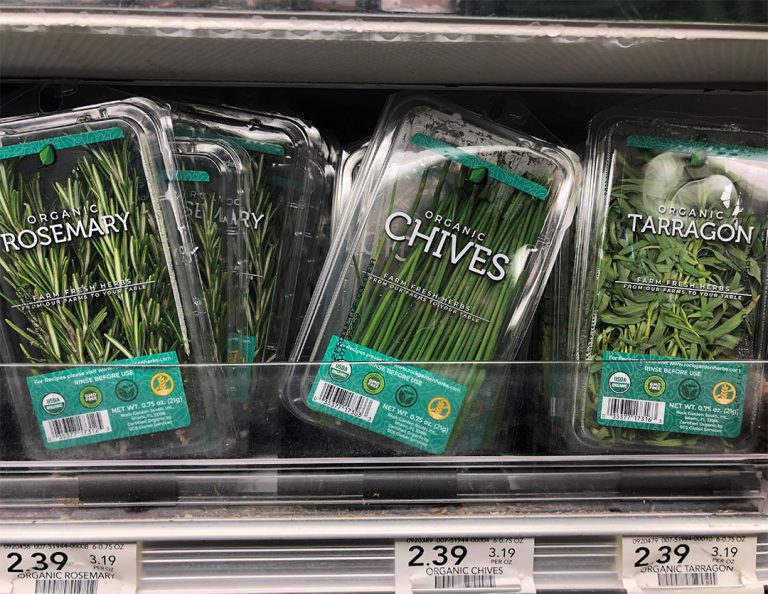
Have you noticed how often the only herbs at health food stores are dill and cilantro? Is that all those people cook with? Why? I guess Asian-type food is the only type they consider legit, but what’s with the dill? And what about the Mediterranean diet, the best diet of all? Is there something unhealthy about rosemary or thyme or oregano? I wish someone would explain this to me.

And speaking of rosemary, it’s an herb I can predictably find in supermarkets in the winter, and usually in pretty good shape. I’m really glad, because it’s one of my favorites. Many others—ones I’ve been having Covid dreams about, such as lemon verbena, lovage, nepitella, summer savory, wild fennel, marjoram, and good Genovese basil—I can’t actually smell and cook with until they burst forth in my garden (and at my Greenmarket) again in late spring. Supermarket basil is the pits. I wouldn’t make pesto with that crusty cat piss stuff if my life depended on it (well, maybe if my life depended on it, but I’d be embarrassed to serve it to anyone).

Lately I’ve been cooking with lots of supermarket rosemary. It’s a solid winter herb, so good in meat stews, braises, and ragus for pasta, or with mushrooms or cauliflower or cabbage, or floated on a gin martini. A few weeks ago I made a sautéed chicken with grapes and rosemary and lots of blanched garlic. I loved the mix of flavors, especially when I deglazed the whole thing with grappa at the end, which gave it a nice boozy anchor. So when I decided to have a largish group over for dinner the other night, I thought I’d make that very good dish again, while doing it in a less fussy way. I scrapped the sauté pans and arranged all my ingredients on a sheet pan (not all at the same time, but you’ll see my process in the recipe). I don’t always love writing recipes for sheet pan suppers, because some people want all the ingredients to miraculously cook to perfection all at the same time, and that sadly doesn’t happen. With a little timing, the chicken came out beautifully, and I even got a better sauce with the sheet pan approach than with the oil-sputtering sauté. I made a cooked-down grape syrup with chicken essence and garlic and rosemary, all loosened up at the last minute with a big splash of grappa. I love it when all my flavors come together, especially in a winter dish like this one.

I served it with wild rice I got from Rancho Gordo. That was just the thing to soak up all the grapey juices.

You can double the recipe for a larger group. Just use two sheet pans.

Oven-Seared Chicken with Grapes, Rosemary, and Grappa

(Serves 4 or 5)

1 head firm, unsprouted garlic, separated into cloves but left unpeeled
1 cup chicken broth
About 6 rosemary branches, cut into large sprigs
8 chicken thighs, including the skin and bones
Salt
Black pepper
Pimenton d’espelette
Extra-virgin olive oil
A drizzle of rice wine vinegar
1 pound seedless red grapes, half of them picked from the stems, the rest separated into small clusters with the stems left on
¼ cup grappa

Put the garlic cloves into a small saucepan. Add the chicken broth, and bring it to a boil. Turn the heat down to a gentle simmer, and cook, uncovered, until the garlic is just tender, about 8 minutes. Lift the garlic cloves from the broth, keeping the broth.  Peel the garlic cloves.

Preheat the oven to 450 degrees.

Smash up 2 of the garlic cloves. Remove and chop up the leaves from 4 of your rosemary sprigs, discarding those sprigs.

Put the chicken thighs in a bowl, and scatter on the smashed garlic and the chopped rosemary leaves. Season with salt, black pepper, and some espelette. Drizzle on a bit of olive oil, and sprinkle on the rice wine vinegar. Toss well. Lay out the chicken, skin side up, on a large sheet pan, leaving some space between the pieces.

Stick it in the oven, and roast it for about 15 minutes. Pull out the pan and add the grapes, the remaining garlic cloves, and the remaining rosemary sprigs, tucking them all in around the chicken pieces. Drizzle the grapes and herbs with a little olive oil, and season with salt and black pepper.

Put the pan back in the oven, and continue roasting until the chicken is well browned and just tender and the grapes have given off some juice, about another 15 minutes or so. Next splash on the grappa, and let everything roast for a few minutes longer, just to burn off the grappa fumes.

Take the pan from the oven and put the chicken thighs on a big serving platter.

If the pan liquid seems loose, and mine did a little, cook it down, along with all the grapes, garlic, and herb sprigs, over a burner. I did this simply by placing the sheet pan over the flame. Let the liquid bubble down for a few minutes to thicken it up. If, on the other hand, you don’t have enough liquid (I suppose it’s possible if your grapes didn’t explode enough), you can add a little of the garlic poaching broth to the pan. If not, you can do what I did and just drink the broth. It’s a restorative.

Arrange the grapes, rosemary, and garlic around and over the chicken pieces, and then pour on the pan sauce. Season with a little more of the espelette. Serve right away.

Read Full Post »

Red wine, rosemary, vanilla, a beautiful combination of flavors that cook down to a thick, glossy syrup that clings to the pears and makes for an elegant winter dessert, a study in pink and deep crimson. Not too sweet, but full of intensity. I hope you’ll try it. And if you’d like the recipe, it’s here.

Read Full Post »

Women with Fish

I’m nude. I’m languishing. The fish my uncle Nunzio brought this morning is sitting here waiting for me to fix it before it rots. If I cook something good, I’ll be a happy nude. If I just sit here holding my boobs like an dope, the fish will spoil and I’ll have made a sin. What should I cook? Maybe I’ll fillet it. Then I can coat it in olive oil and throw the fillets on the grill. That’s a good idea. In that case I should make a sauce. I have fresh marjoram. I have garlic. I have lemon. I’ll make a salsa verde with those things plus good olive oil. I have salt. I even have a fresh jalapeno. Maybe I’ll add that. That’s a good idea. If I grill the fish fillets and then spoon a bit of the salsa verde on top, not only will I have saved the fish from rotting, but I’ll have a really good dinner. I think I’ll do that. It’s better to cook the fish than to let it rot. That would not only be sad but also a sin, I think. Okay, great. I’m nude, but I’m not languishing. Now I’ve not only got a plan, but also a wonderful dinner. Thank you, uncle Nunzio for bringing me this really fresh fish, that at first I viewed as a burden, but now see as an opportunity.

Read Full Post »

Still Life with Honey, by Gala Turovskaya.

Recipe below: Braised Eggplant with Cinnamon, Honey, and Mint

Acid with sweet. Savory with sweet. You encounter those combinations in Sicilian and other Mediterranean cuisines. Cinnamon, bay, and saffron are the flavors of Trapani’s fish couscous, and the first time I tasted it I screamed with recognition. My grandfather’s ricotta and cinnamon ravioli for Christmas Eve had a filling sweet with sugar and a tomato sauce dense and almost sour from its cooked-down tomato paste. A strange juxtaposition, but it really worked. That dish must have come from around Salerno, because that was where he was from. I think about those ravioli at odd times, such as when I’m planting flowers in April. I find myself dreaming of Christmas.

Eggplant is a vegetable that can go savory or sweet or both at the same time. I’ve eaten a chocolate eggplant “lasagna” from the Amalfi coast at the source several times, and I’ve recreated it at home, too. Absolutely delicious, its fried eggplant layered with bitter chocolate, candied citron or orange, almonds, and sometimes crumbled amaretti cookies. After seeing several recipes for a Moroccan Jewish candied eggplant, served both as a condiment and as a desert, I got around to making that one, too, using those little fairy eggplants you can find at the Union Square market in high summer. Very sweet and creamy, and strangely shiny.  There are Greek and Syrian versions of that dish that are similar, involving poaching whole baby eggplants in a spiced-up sugar syrup.

I can honestly say now that eggplant is my favorite vegetable (or fruit, biologically speaking). We ate it a lot growing up, pickled, breaded and fried, sott’olio, and of course, parmed. Eggplant parmigiano is a genius creation, one of the best my Southern Italian people ever came up with. It is traditionally completely savory, but I’ve messed with it, adding, at times, honey and my grandfather’s cinnamon.

Here’s another mostly savory but slightly sweet eggplant dish that I’ve tasted versions of in Sicily. There it was presented as a variation on caponata, with pine nuts, raisins, cinnamon, and honey, along with the agro dolce background that gives caponata its distinct sweet-sharp edge. Here I’ve left out much of the acid, making it more of a side dish than a condimento. Try it with pan-seared lamb chops, or just on its own as a vegetarian main course, maybe over polenta. It also makes an excellent pasta sauce, for, say, orecchiette. Why not?

You’ll notice that I use Japanese eggplant in this recipe. That’s because I find they work better than Italian ones off-season. They’re sweeter and less watery.

Braised Eggplant with Cinnamon, Honey, and Mint

(Serves 6 as a side dish)

Extra-virgin olive oil
1 sweet onion, cut into small dice
2 garlic cloves, thinly sliced
1 fresh red peperoncino, well chopped
4 Japanese eggplants, cut into medium dice
Salt
2 fresh bay leaves, torn in half
5 or 6 thyme sprigs, the leaves lightly chopped
1/2 teaspoon ground cinnamon
1 whole cinnamon stick
1 tablespoon runny honey
¼ cup dry Marsala
1 35-ounce can Italian plum tomatoes, well chopped
A big handful of spearmint leaves, lightly chopped

Get out a big sauté pan, and get it hot over medium heat. Add a big drizzle of olive oil and the onion. Sauté for about 3 or 4 minutes, just to get it a bit soft. Add the garlic, the peperoncino, and the eggplant. Season with a little salt, and sauté until the eggplant has softened somewhat, about 5 minutes. Add the bay leaves, thyme, ground cinnamon, cinnamon stick, and honey, and sauté for a few minutes more to release all those flavors. Add the Marsala, letting it bubble for a few seconds. Add the tomatoes, and let simmer, uncovered, at a low bubble for about 15 minutes, adding a drizzle of hot water if it all gets too thick. By this time the eggplant should be tender and all the flavors blended. Taste for seasoning, adding more salt or possibly honey to balance it out. Turn off the heat, and let the dish sit for about 5 minutes before serving. This will allow it to mellow further.

Add a drizzle of fresh olive oil and half of the mint, mixing it in. Scatter the rest of the mint on top just before serving. You can serve this dish hot, warm, or at room temperature.

Read Full Post »

Read Full Post »

Daryl in Wylde Thyme Farm, by Fiorentina Giannotta.

Recipe below: Pan-Fried Lamb Chops with a Thyme and Parmigiano Crust

Crust is often a good idea. Day-old pasta can be turned into a bubbly baked extravaganza just by the addition of a crispy cheese-and-breadcrumb topping. Crusts are transformative. Think of crème brûlée with its slick-patinaed sugar crust. Or the chicken cutlet, the backbone of the Italian-American kitchen. It needs a sturdy breadcrumb, garlic, and herb crust to be compelling, but that crust will turn boring white meat into something tender on the inside, crispy on the outside. Ideal food. Every culture has some sort of crust. Southern Italy, home to my people, goes for just about anything fried to a crisp. Fried dough, both sweet and savory. Little fish coated in flour and quick fried. Artichoke, zucchini blossoms, gizzards, bechamel balls, or salt cod coated with some sort of crumbly and then shocked in searing hot oil. I love eggplant cloaked in flour, egg, and then crumbs, pan-seared in olive oil until a crust coat forms around a gushy interior. I tell you: When in doubt, think crust.

And when you think you’ve got nothing to fashion into a crust, try grinding up a handful of fennel taralli, or black-pepper water crackers. Those work well. Lately I really like panko breadcrumbs for fashioning crisp things. I use them here on these lamb chops, but to cut down on bulkiness, I give them a quick few pulses in my food processor for a finer texture. Very nice when mixed with lots of thyme (you really want to taste the thyme) and Parmigiano.

I think these chops are best eaten alongside a bitter salad, maybe escarole and endive, dressed with a mustardy vinaigrette.

Pan-Fried Lamb Chops with a Thyme and Parmigiano Crust

(Serves 2)

6 loin lamb chops
Salt
Black pepper
2 egg yolks
Extra-virgin olive oil
1½ cups panko breadcrumbs, whirled in a food processor for a few seconds for a finer crumb
1 garlic clove, minced
1 cup freshly grated Parmigiano or grana Padano cheese
The grated zest from 1 large lemon
8 big, fresh thyme sprigs, the leaves lightly chopped, plus a handful of whole sprigs for garnish
A big pinch of piment d’Espelette
2 tablespoons unsalted butter
1 lemon, cut into quarters lengthwise, for garnish

Season the lamb chops with salt and pepper.

Put the egg yolks on a plate, and drizzle them with a thread of olive oil and about a tablespoon of water. Whisk lightly.

Pour the breadcrumbs out onto another plate. Add the garlic, cheese, lemon zest, and chopped thyme. Season with salt, black pepper, and the espelette, and give it a good stir. 

Pull out a big sauté pan, and pour in enough olive oil to cover the pan about ⅛ inch deep. Turn the heat to medium-high, and let the oil get hot. Add the butter, and let it melt into the oil.

One by one, dip the lamb chops in the egg and then in the breadcrumbs, pressing the crumbs into the meat.

Put the chops in the pan, and cook them, without moving them around at all, until nicely browned, about 4 minutes. Turn them over and cook them on the other side, about another 4 minutes for medium. They should now be crispy and golden all over.

Pull the chops from the pan onto a serving platter. Garnish them with lemon wedges and the thyme sprigs. Serve right away.

Read Full Post »

Bay Laurel, by Carol Ivey, 2018.

Recipe below: Ricotta Baked with Fresh Bay Leaves

I’ve been drawn to Sicilian flavors for a very long time. When I first discovered Sicilian cookbooks, just buying them got me motivated. I cooked my way through several, immediately seeing the differences in ingredients and culinary mindset from my Puglian-Campanian family’s food. I noticed less tomato, more sweet and savory touches, more Spanish and Arab aromas.

Pomp and Sustenance, by Mary Taylor Simeti, came out in the late 1980s. I read it more than I cooked from it. It’s dense like a historical novel with a backdrop of ornate pastries. I read it over and over. A few years later Giuliano Bugialli’s Foods of Sicily and Sardinia appeared. It had on-location photos of sausages, eggplants, sardines, and bucatini, positioned in front of volcanos or the sea, sometimes on pottery that was too bright, as if a little kid had glazed it. Mint decorated savory dishes. The dish that drew me in most was a big round of ricotta lined with bay leaves and then baked. The aroma of bay was already etched into my pleasure brain, engraved there by the bechamel my mother made for her lasagna. Bugialli wrote that the bay flavor in his ricotta was so powerful that it would have to be an acquired taste for some. I wanted to acquire it. I cooked it and fell in love.

I hadn’t thought about that beautiful baked ricotta in many years, but I recently was planning a video on cooking with bay laurel for my YouTube series, and I realized it would be a great thing to include. The aroma of the cheese cooking is deep, the bay giving off hints of allspice, vanilla, and black pepper as the oven heat causes the leaves to permeate the cheese. It brought me back to my years of discovery, when I first learned how alluring Sicilian cooking could be.

Here’s my version of Bugialli’s recipe. I no longer have the book, so I reconstructed the dish from my taste memory and was pleased it came out so well. I hope you’ll give it a try. And please use fresh bay leaves. They are the only way to go.

Ricotta Baked with Fresh Bay Leaves

32 ounces good-quality whole-milk ricotta
3 tablespoons melted butter
About 15 fresh bay leaves
3 large eggs
A handful of Taggiasca olives, pitted and roughly chopped
Salt
Black pepper
A few big scrapings of nutmeg

Preheat the oven to 375. If your ricotta seems watery, drain it for about 20 minutes.

Brush a 7-inch springform mold with melted butter, saving any remaining butter for later.  Cover the bottom of the pan with bay leaves. They needn’t overlap, so you’ll probably need to use about 6 or 7 of them.

In a large bowl, mix together the ricotta, the eggs, and the olives. Season with salt, black pepper, and the nutmeg. Pour the mixture into the pan. Slip the remaining bay leaves in all around the sides of the pan.  Drizzle the top with the remaining butter. Bake, uncovered, for about an hour, until the top is nicely browned and the whole thing is fairly set, aside from a slight jiggle in the center.

Take it from the oven, and let it sit for at least 45 minutes. This will allow the cheese to continue to firm up and pull away from the sides of the pan so it’s easier to unmold. Run a knife along the sides of the pan, and unmold the cheese. I like to serve it on crostini as an antipasto. It’s also great alongside a tomato salad or a bowl of caponata.

Read Full Post »

Read Full Post »

Dessert Patio with Clay Pot, by Romy Terlingua.

Recipe below: Clay Pot Calamari with Sweet Spices

In my travels I like to collect clay pots meant for cooking. So far I’ve done little actual cooking with them. Why? Well, some years back I purchased a gorgeous and expensive French daubière, a half-green-glazed stew pot, and I guess I didn’t follow any precooking instructions, so my lovely pot and the beef Provençal that was in it blew apart all over the oven. What a miserable mess. After that I decided to just let my collection sit and be pretty. That is now changing. I’ve started cooking with them again, and not one of my pots has yet exploded. I’ve been coaxed on by my Cooking with Clay Facebook group, where they really understand how to work these things.

Several years ago I bought a cazuela in a Mexico City market, a covered clay pot decorated with a ring of white flowers. I was told I could cook in it, but privately I assumed it was just a touristy item that had no function other than getting greasy and fuzzy on my shelf. So that’s where it sat, until a few days ago when I just went for it. It cooked up a pot of calamari to perfection. The thing is partially glazed, so I checked with Paula Wolfert’s book Cooking in Clay to see how to handle it. Easy enough. Just soak it in water, rub a bit of oil on it, and then make sure not to startle it by going from hot to cold or cold to hot too fast.

Theoretically you’re supposed to be able to put the pot on a flame. I didn’t yet trust myself to pull that off, so I started my sauce in a conventional sauté pan and then put the squid and chickpeas in the clay pot, poured the sauce on top, covered it, and stuck it in the oven, raising the temperature gradually until it reached sweet simmer. It smelled amazing, like a mix of fresh calamari, spice, and clay. The more I use the pot, the better everything I cook in it will taste. I’m thinking I’ll reserve it for squid, octopus, and shellfish, so it retains a “memory”of good sea things.

I try not to be a snob about ingredients. I’m a little sick of hearing cooks cry out about “buy the best,” but in this case I was fascinated by the result of using differently sourced stuff. I made the dish twice, first with calamari I purchased at the Union Square Greenmarket and with dry chickpeas from Rancho Gordo. That was exceptional. So sweet and deep. Then I tried it again with squid from Citarella, which was fresh enough but gigantic and thick, and a can of precooked Spanish chickpeas. The outcome was good, but it lacked that richness, and the sauce was not as compelling. The interesting thing is that I didn’t spend more on the mediocre ingredients than on the good stuff. So it’s not always a matter or throwing money at a dish. I guess you just have to know where to shop.

Clay Pot Calamari with Sweet Spices

(Serves 4)

Extra-virgin olive oil
1 large shallot, diced
1 big fresh garlic clove, thinly sliced
1 teaspoon sugar
1 fresh bay leaf
1 teaspoon ground ginger
1 teaspoon turmeric
1 teaspoon ground cinnamon
1 teaspoon pimenton d’espelette
Salt
A big splash of dry vermouth or dry Marsala
1 28-ounce can Italian plum tomatoes, chopped and lightly drained
6 large thyme sprigs, the leaves lightly chopped
A big pinch of dried saffron, crumbled and then soaked in a few tablespoons of warm water
1½ to 2 pounds small squid, cut into thin rings and then patted dry, with a few trimmed tentacles thrown in
About 2 cups cooked chickpeas
A handful of basil leaves, lightly chopped

Preheat the oven to 350 degrees. If you’ll be using a clay pot, make sure you prep it according to its instructions.

In a medium sauté pan, heat a few tablespoons of olive oil over medium heat. Add the shallot, garlic, sugar, bay leaf, and all the spices, plus a little salt. Sauté until the aroma is beautiful and the shallot is soft, about 4 minutes. Add the vermouth or Marsala, and let it bubble for a few seconds. Add the tomatoes, the thyme, and the saffron water, and simmer at a low bubble for 5 minutes.

Place the squid and the chickpeas in the clay pot. Pour the sauce over the top, and give it a quick stir. Cover the pot, and put it in the oven. Take a look in about 15 minutes to see if the sauce is simmering (it should be at a nice low bubble). If not, turn the heat up to 400 degrees and check it again in about 10 minutes. When you see it’s gotten up to temperature, let it go for about 45 minutes (it should start smelling really good after about ½ hour).

When it’s done, the squid should be tender. Pull the pot from the oven, uncover it, and let it sit for about 10 minutes so it can settle. Add the basil, and serve. I like to pour it into shallow soup bowls over a few slices of day-old country bread.

Note: If you’re not using a clay pot, simply add the squid and chickpeas to the sauté pan with the sauce, and simmer, covered, over low heat for about 45 minutes.

Read Full Post »

« Newer Posts - Older Posts »