Feeds:
Posts
Comments

Archive for the ‘Skinny Guinea’ Category

A mosaic of lemons from the Piazza Armerina, eleventh-century Sicily.

Recipe: Swiss Chard with Yellow Raisins, Lemon Zest, and Pine Nuts

You may have noticed that I’ve lately had a renewed interest in Sicilian flavors. Not that culinary Sicily is ever far from my mind. I routinely let my head travel through the south, working back and forth between Puglia, Campania, Basilicata, Calabria, and Sicily. I refresh myself periodically just to make sure some tastes have not gone dormant or to unearth something previously unknown to me.

I’m now rereading Pomp and Sustenance,  Mary Taylor Simeti’s excellent book on the history of Sicilian cooking. It has got me reexploring the island’s traditional raisin-and-pine-nut combination and thinking about new ways I can use it, or ways I haven’t thought of in a while. My last post was for a pasta dish with swordfish, raisins, and pine nuts, but now I’m thinking green.

In fact I am antsy for spring greens—watercress, baby leeks, dandelions, even those terrible fiddlehead ferns that are always the first thing to show up at New York Greenmarkets, usually in late April. Since there’s nothing local around yet, I trotted over to my supermarket and just picked the nicest looking leafy green vegetable I could find, to give it a Sicilian treatment. I chose Swiss chard, since it was big and ruffly and looked healthy. In addition to the raisin and pine nut duo, I also included a splash of dry Marsala (the fortified wine from Trapani, which I find better to cook with than to drink) and some lemon zest, and I finished it off with a sprinkling of grana Padano, which added a bit of salty sweetness to balance out the astringency of the lemon and the somewhat irony taste of the chard. I served this as a side with roasted rosemary chicken, but you can thin the finished dish with a little pasta cooking water to make a great condimento for any kind of substantial chewy pasta such as penne or cavatelli.

 Swiss Chard with Yellow Raisins, Lemon Zest, and Pine Nuts

(Serves 4 or 5 as a side dish)

⅓ cup yellow raisins
2 tablespoons dry Marsala
2 large bunches Swiss chard, the thick center stalks removed (you can leave some of the more tender stalks) and the leaves roughly chopped
Extra-virgin olive oil
2 garlic cloves, peeled and thinly sliced
¼ teaspoon freshly grated nutmeg
Salt
⅓ cup pine nuts, lightly toasted
Freshly ground black pepper
The grated zest from 1  lemon
1 heaping tablespoon grated grana Padano cheese

Place the raisins in a small cup. Pour on the Marsala, and give them a toss.

Set up a big pot of water, and bring it to a boil. Drop in the chard, and blanch for 2 minutes. Drain the chard into a colander, and run cold water over it to stop the cooking and to bring up its green color. Now squeeze as much excess water as you can from the chard.

Pour 3 tablespoons of olive oil into a large skillet, and get it hot over medium heat. Add the garlic, and sauté just until it gives off a gentle aroma, about 30 seconds. Add the chard, seasoning it with the nutmeg, and sauté quickly, stirring it around a bit. Add the raisins with their Marsala soaking liquid. Take the skillet from the heat, and add salt, the pine nuts, black pepper, and the lemon zest. Transfer to a large serving dish, and sprinkle on the grana Padano, giving the chard a good toss. Serve hot or warm.

Read Full Post »

Recipe: Bucatini with Swordfish, Raisins, Pine Nuts, and Sweet Breadcrumbs

I have a habit of seeking out and falling in love with dishes that include raisins and pine nuts, dishes from Spain, from Provence, and from Sicily. Historians pretty much agree that this culinary pairing was invented by Arabs and transported to places they invaded, letting this sweet and savory duo mingle with the established cuisine of the invaded, often with fabulous results. Sicily’s famous pasta con le sarde comes to mind, but many of Sicily’s pasta dishes can include this combination, such as pasta with anchovies, or cauliflower, or tuna, or eggplant.

It’s not that pine nuts and raisins didn’t both already exist in Sicily in the 800s, when the Arabs first landed, but I guess it took the Arab cooks, so familiar with mixing fruits and nuts, to use them in new, Sicilian-influenced ways. Sicilian cooking has a lot of sweet in it, one of the culinary features that makes it stand out from the food of the rest of Southern Italy.

Here’s my take on a Arabo-Sicula pasta dish. It of course contains raisins and pine nuts, but I’ve also added fennel, lots of soft onion, anchovies, and lightly sweetened, toasted breadcrumbs to sprinkle on top, a feature very typical of many Sicilian fish and vegetable based pastas, and one that I find completely alluring.

Bucatini with Swordfish, Raisins, Pine Nuts, and Sweet Breadcrumbs

(Serves 2)

Extra-irgin olive oil
½ cup dry homemade breadcrumbs
Salt
Freshly ground black pepper
A big pinch of sugar
1 teaspoon ground fennel seed
⅓ cup golden raisins
Enough dry Marsala to cover the raisins
1 large, sweet onion, cut into small dice
6 anchovy fillets, roughly chopped
½ pound bucatini
½ pound swordfish, skinned and cut into little cubes
The feathery tops from 1 fennel bulb, chopped
A few large dill sprigs, chopped
⅓ cup pine nuts, toasted

In a small skillet, heat a tablespoon of olive oil over medium flame. Add the breadcrumbs, seasoning them with salt, black pepper, the sugar, and half of the ground fennel. When they just begin to turn golden, after about a minute or so, pull them from the heat, and put them in a small bowl.

Set up a large pot of pasta cooking water, and bring it to a boil. Add a generous amount of salt.

Soak the raisins in dry Marsala, just to cover.

In a large skillet, heat about ¼ cup olive oil over medium flame. Add the onions, and let them sauté until softened, about 3 minutes. Now add the anchovies, stirring them around until they melt into the onions. Add the raisins with their Marsala soaking liquid, and let bubble a minute.

Start cooking the bucatini.

Add a little pasta cooking water to the skillet, and let the onions simmer until very soft, about another minute or so. Season very lightly with salt and more aggressively with black pepper.

Toss the swordfish cubes with the remaining ground fennel and a little salt and pepper. Add them to the skillet, and cook gently just until tender, about a minute or so. Turn off the heat, and add half of the chopped fennel tops, half of the dill, and the pine nuts.

When the bucatini is al dente, drain it, saving about a half cup of the cooking water, and place the pasta in a large serving bowl. Toss with a little fresh olive oil. Now pour on the swordfish sauce, and give it a toss, adding a little of the cooking water if needed for moisture. Top with the remaining fennel tops and dill. Serve hot or warm, topping each bowl with a generous amount of the breadcrumbs.

Read Full Post »


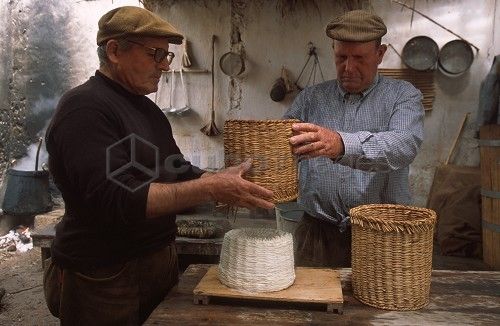
Making ricotta in Sicily.

Recipe: Ricotta Cake with Orange Flower Water and Honey

I really, really like sweetened ricotta. Give me a choice between a cannoli and a slice of chocolate cake, and I’ll take the cannoli. But give me the choice between a cannoli and a slice of ricotta cake, and, although highly tempted by both, I’ll inevitably chose the ricotta cake. I really love ricotta cakes, but I’ve never baked them much, until now.

Previously I only made them for Easter or Christmas, since the classic Southern Italian version is quite time-consuming, with its pounds and pounds of ricotta, deep pastry crust, and latticework top, not to mention the long-soaked wheat berries you need for a Pastiera, the Easter version. It’s really just as well these things show up only on holidays. They’re a 10-ton load. I now say forget about all that pastry. Just make the cake without it. It’s elegant, less dense, less fattening, and, I swear to you, this version takes 5 to 8 minutes to assemble. I thought hard about what would be the fastest, simplest way to make a ricotta cake without compromising on texture or flavor and decided that if I made use of two of my favorite electric kitchen gadgets, this cake could be a whiz to throw together. And it was.

Ricotta cakes can include a slew of flavorings, such as candied citron, nutmeg, cinnamon, chocolate chips (in my opinion an abomination that has no place in one of these things), vanilla, lemon or orange zest, and, my favorite of all, orange flower water. For my streamlined version, I left out all the chunky candied stuff and focused on the orange flower water. To me a ricotta cake is incomplete without it. And it blends beautifully with honey, which I also added.

All the ingredients except the egg whites get pulsed smooth in a food processor, which takes under a minute. The egg whites then get whipped in my standing mixer (or you can use an electric hand mixer). Then you fold the two things together and pour them into a spring-mold pan. The cake is light and fragrant, and you don’t have to wait for Easter to make it, although you can make it for Easter, if you have a group that’s flexible about tradition.

Ricotta Cake with Orange Flower Water and Honey

1 tablespoon or so of softened butter, to grease the pan
6 extra large eggs
½ cup sugar
½ cup orange blossom honey
A big pinch of salt
1 teaspoon vanilla extract
½ teaspoon orange flower water
The grated zest from 1 large lemon
½ teaspoon freshly grated nutmeg
1 large container whole milk ricotta (about 30 ounces)

1/4 cup regular flour

1/4 teaspoon baking powder

Preheat the oven to 325 degrees

Grease a 9-inch spring-form pan with the butter.

Separate the eggs, placing the yolks in a food processor and the whites in the bowl for a mixer (either a standing or handheld one).

Add the sugar, honey, salt, vanilla, orange flower water, and lemon zest to the food processor, and give it a few good pulses. Now add the ricotta, the nutmeg, flour, and the baking powder, and process until the mixture is smooth. Pour it into a large bowl.

Whip the egg whites until they achieve the classic stiff peak stage.

Add half the egg whites to the bowl, and gently fold them in. Now add the rest of the egg whites, and fold until just blended.

Pour this into the greased pan, and bake until the cake is browned and puffy and feels fairly firm in the center, about 50 minutes to an hour.

Place the cake on a rack. It’ll immediately deflate a bit, but that’s normal. Let it cool, and then remove the rim of the pan.

Read Full Post »

Recipe: Rigatoni with Sausage, Cauliflower, and Almonds

I find that improvising with pasta is always a little harder in the winter months. Without all the summer Greenmarket vegetables that can transport my head to the Amalfi Coast, especially the tomatoes, peppers, and eggplants (the Southern Italian triumvirate), I can strain to come up with something exciting, not too loaded with fat, and still create a dish I want to eat right now. The choices often seem downright dreary. But I realize it’s my own damned fault. My cold, cold brain, not able to think beyond the rows of canned tomatoes, often overlooks all the good produce that’s sitting all green and fresh (freshly transported, that is) on my supermarket shelves.

Escarole, for instance. My mother always made pasta with that (salads too, crunchy bitter salads), flavoring it with garlic, white wine, and red pepper flakes. I loved this pasta. Leeks, chicory, radicchio, kale, dried cecis and cannellini beans (or good quality canned), broccoli rabe, endive, cabbage, Brussels sprouts, and cauliflower (a personal favorite, which is why I included it in this recipe). Carrots and celery can also be pretty good at this time of year, so I often start a pasta sauce with a fragrant soffrito (maybe adding a little leek or shallot). And now that I can get fresh herbs all year round there’s really no excuse to let my brain fizzle into a state of stupefied non-creativity.

This pasta takes inspiration from Sicily with its mix of cauliflower, toasted almonds, and mint. That’s a time-honored combo down there, but here I’ve decided to include sausage as well. The secret to success lies in the balance. I’ve found I don’t want too much sausage. I use it more as a flavoring, the way one would pancetta. I want nicely sautéed cauliflower coated with onion, garlic, rosemary, olive oil, black pepper and any porky essence the sausage imparts. I want that to be where my taste buds head first.

Rosemary and mint might seem an odd herb combination, but they work together because I add the strong one in the beginning, while sautéing, and the lighter, leafier one right at the end. The rosemary mellows with cooking, and the mint stays bright and fresh. It’s really a beautiful mix. You might also try adding thyme early on and then finishing your dish with Italian parsley. Another good strong-to-delicate herb duo to consider is starting with marjoram or oregano, letting it simmer into the dish, and then adding fresh basil at the end. Play a little here, if you wish. Using herbs this way adds layers of flavor and a culinary depth I crave in winter pastas.

Rigatoni with Sausage, Cauliflower, and Almonds

(Serves 4 as a main-course pasta)

Salt
1 large cauliflower, cut into small florettes
Extra-virgin olive oil
3 Italian sausages (preferably without fennel seeds), out of their casings
1 medium onion, cut into small dice
1 small inner celery stalk, cut into small dice
2 garlic cloves, thinly sliced
About ⅛ teaspoon freshly grated nutmeg
3 large rosemary sprigs, the leaves chopped
Freshly ground black pepper
½ glass dry white wine
½ cup homemade or good-quality purchased chicken broth
1 pound rigatoni
A big handful of slivered almonds, lightly toasted
About 10 big mint sprigs, the leaves very lightly chopped
A chunk of ricotta salata

Put up a large pot of pasta cooking water, and add a generous amount of salt. When it comes to a boil, drop in the cauliflower, and blanch for 2 minutes. Scoop the cauliflower from the water with a large strainer spoon into a colander, and run it under cold water to stop the cooking. Let it drain. Bring the water back to a boil.

In a large sauté pan heat about 2 tablespoons of olive oil over medium-high heat. Add the sausage, and sauté it, breaking it into little bits with the back of your spoon. When the sausage is lightly browned, add the onion and celery, and let them soften. Then add the garlic, the rosemary, and the nutmeg, and sauté to release their flavors.

Add the rigatoni to the boiling water, and give it a quick stir to prevent sticking.

Add the cauliflower to the pan, and season with salt and black pepper. Sauté everything so the cauliflower can get nicely coated with flavor. Now add the white wine, and let it bubble away. Add the chicken broth, turn the heat to low, and simmer until the cauliflower is tender, about 5 minutes. Add the almonds, saving a small handful for garnish.

When the rigatoni is al dente, drain it, and transfer it to a warmed serving bowl. Add a generous drizzle of fresh olive oil, and give it a quick toss. Add the cauliflower sauce and about ¾ of the mint. Toss gently. Check for seasoning. Grate a little of the ricotta salata over the top, and garnish with the remaining almonds and mint. Bring the rest of the cheese to the table for grating.

I like this dish hot, but it’s also good left to sit for a few minutes and eaten warm. Somehow the flavors are even bolder that way.

Read Full Post »

« Newer Posts